Jackie Miller

Hello friend,

I’m so glad you’re here. Every year, this annual report is an exciting opportunity to share what Colorado’s unique and enduring commitment to the outdoors makes possible.

In 1992, Coloradans made a bold decision, voting to amend the state’s constitution to dedicate Colorado Lottery proceeds to protecting and enhancing the state’s parks, wildlife, open spaces, rivers, and trails for future generations. Great Outdoors Colorado (GOCO) was created to turn that vision into action by investing a portion of those resources in conservation and outdoor recreation projects across the state.

More than 30 years later, that decision has had an immense impact on Colorado. GOCO has invested $1.8 billion in more than 6,000 partner-led projects in all 64 counties. Grounded in collaboration, investments have helped bring community visions to life, respond to urgent and emerging needs, and strengthen the network of partners positioned to meet future challenges.

This past year alone, GOCO grants helped partners conserve more than 34,000 acres of land, protecting wildlife habitat and migration corridors, water resources, working farms and ranches, historic and culturally significant places, recreation opportunities, and scenic views. Investments supported restoration across over 9,500 acres, strengthening landscape health, protecting water resources, and increasing wildfire resilience. Funding also supported 17 new or improved parks and recreation areas, creating more opportunities for Coloradans of all ages and abilities to get outside and connect with nature and each other.

We also celebrated a major milestone for Colorado’s youth-and-outdoors movement: 10 years of Generation Wild. Through community-based coalitions statewide, the program has helped more than 436,000 kids and family members access meaningful outdoor experiences, and its statewide communications campaign has reached millions more, helping an entire generation of young Coloradans build curiosity, confidence, and a lifelong connection to nature.

We also continued efforts to scale Colorado’s collective impact, including working alongside federal, state, Tribal, regional, and local partners to implement Colorado’s Outdoors Strategy. Leveraging the Strategy’s guidance, tools, and network, partners are aligning conservation, sustainable recreation, and climate-resilience efforts and developing high-impact plans and projects to protect what’s special in every corner of our state. Early on-the-ground wins are already demonstrating the Strategy’s value, and we’re continuing to develop the structure necessary to advance and sustain this work for the next decade.

These, and so many more accomplishments outlined in this annual report, show what a shared vision can make real: people coming together across communities, regions, and the state to care for the people, places, and wildlife that make Colorado home. We’re grateful to help carry this vision forward alongside the many people who care deeply about Colorado and its future.

As always, thank you for your passion and partnership.

Sincerely,

Jackie Miller

Jackie Miller
Executive Director

Land Acknowledgment

The lands now known as Colorado are the traditional and ancestral homelands of many Tribal Nations and Indigenous peoples, including Apache, Arapaho, Cheyenne, Comanche, Kiowa, Pueblo, Shoshone, and Ute peoples. We recognize the past and ongoing injustices Indigenous peoples have faced, including genocide, forced displacement and removal, and stolen land. We honor Indigenous peoples and Elders past, present, and future and recognize their enduring relationships with these lands across generations.

As a steward of Colorado’s outdoors, GOCO has a responsibility to examine this history and pursue meaningful healing and reconciliation with Tribal Nations and Indigenous peoples. We recognize the cultural, spiritual, and community significance of these lands, as well as the knowledge, care, and stewardship Indigenous peoples have brought to them. We commit to honoring Tribal sovereignty and investing in sustained dialogue, partnership, and conservation and recreation priorities identified by Tribal communities. We see this work as essential to achieving GOCO’s mission.

Since making its first grant to a Tribe in 2022, GOCO has awarded more than $8.7 million to 25 Indigenous- and Tribal-led projects. Through Colorado’s Outdoors Strategy, GOCO also supported the development of the Guidance Framework for Tribal Collaboration, created in partnership with Tribal and Indigenous representatives. Practitioners statewide can access the framework to support respectful, culturally responsive engagement and partnerships.

Mancos State Park. Photo by Chris Stark, courtesy of Colorado Parks and Wildlife.

2026 By the Numbers
$100 million in Colorado Lottery proceeds invested

Grant Programs

Projects Icon
0

projects funded

Counties Icon
0

counties invested in

Acres Icon
0

acres conserved

Habitat Icon
0

acres restored

Parks icon
0

parks and recreation areas built or upgraded

Youth Connections icon
0

young people employed in Youth Corps

Generation Wild Icon
0

participants in Generation Wild programs

Colorado Parks and Wildlife Investment

Tent icon
0

state parks and recreation areas improved

Wildlife Habitat icon
0

acres of wildlife habitat protected or improved

Species icon
0

priority wildlife species supported

Outdoor Education icon
0

people reached through outdoor education

Since 1992, that’s more than $1.8 billion invested in Colorado.

  • 6,074 projects funded 
  • 1,465,505 acres conserved 
  • 1,222 miles of rivers protected
  • 1,873 parks and recreation areas built or upgraded 
  • 1,285 miles of trail built or improved
  • 66,688 acres added to State Parks
  • 11,776 young people employed in Youth Corps
  • 436,519 participants in Generation Wild programs
Lost Canyon Ranch, Douglas County. Photo by Bergreen Photography.


Funded Projects

Land Acquisition

$13.9M invested, 6 projects
Supports urban and rural landscape, waterway, and habitat protection priorities, and improves outdoor access 

Community Impact

$9M invested, 16 projects
Invests in projects that enhance a community's quality of life and outdoor access

Pathways

$750K invested, 2 projects
Invests in organizational capacity, research projects, and regional or statewide planning efforts that address critical issues in the outdoors

Generation Wild

$5.1M invested, 15 projects
Invests in coalitions delivering locally designed, culturally relevant programs connecting kids and families to the outdoors

Conservation Service Corps

$1.5M invested, 20 projects
In partnership with Colorado Youth Corps Association, helps partners hire conservation service corps for outdoor recreation and natural resource stewardship projects

RESTORE Colorado

$1.4M invested, 10 projects
In partnership with National Fish and Wildlife Foundation, pools funder resources to support large-scale habitat restoration and stewardship projects across public and private lands

Transaction Cost Assistance Program

$895K invested, 15 projects
In partnership with Keep It Colorado, helps nonprofit land trusts cover the costs associated with conservation easement transactions

Regional Partnerships Initiative 

$9.9M invested, 19 projects
In partnership with Colorado Parks and Wildlife, invests in regionally driven collaboratives working to ensure Colorado’s land, water, and wildlife thrive, and residents have equitable access to high-quality outdoor recreation 

CPW Director’s Innovation Fund

$150K invested, 7 projects
In partnership with Colorado Parks and Wildlife, invests in creative, impactful parks or wildlife projects elevated by CPW staff

What Success 
Looks Like

45 Miles of Trail Connecting Neighbors and the Outdoors

$3.3M invested through 14 grants since 1994 
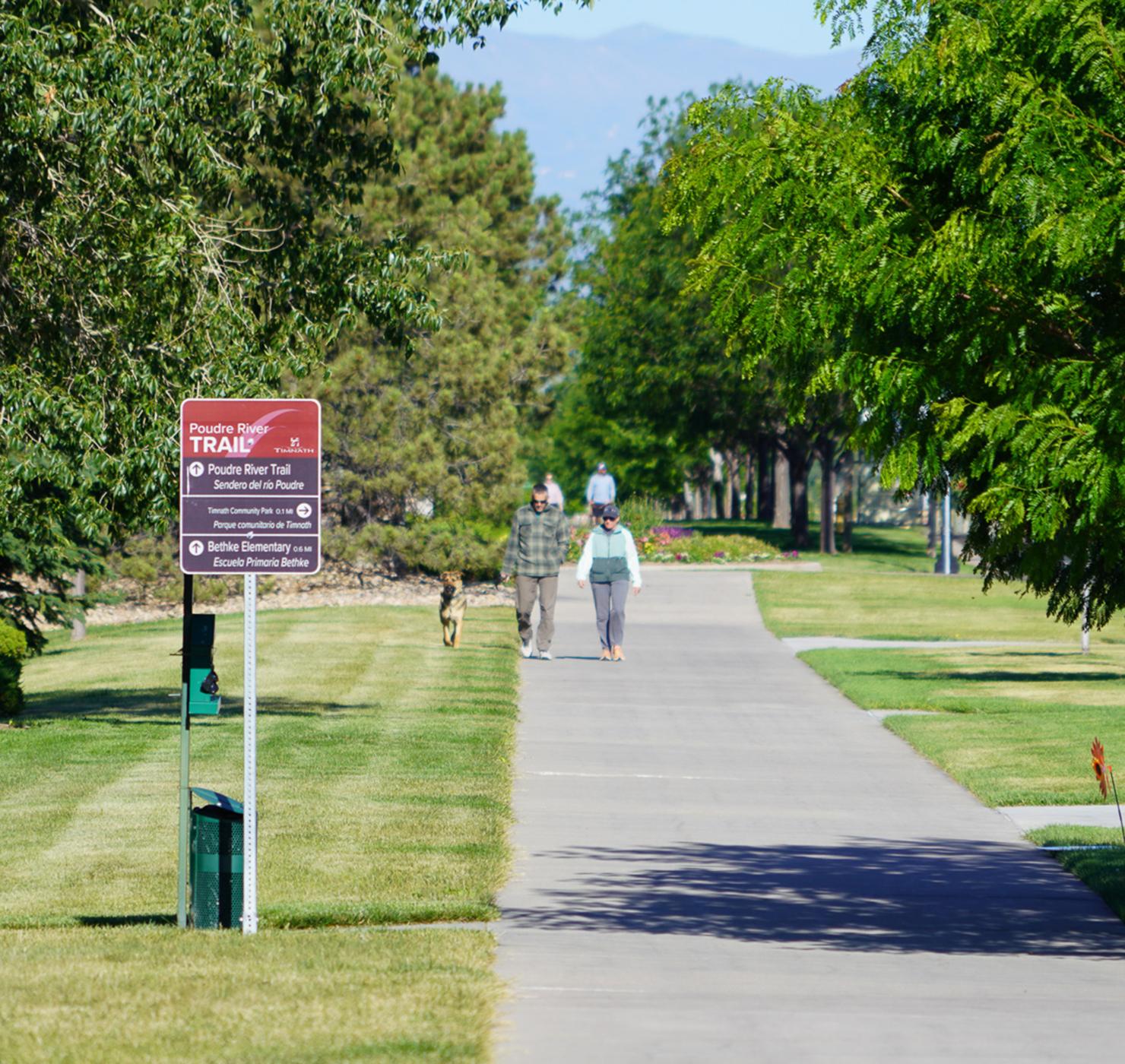
Nearly 1 million people visit the Poudre River Trail each year to walk, run, bike, and enjoy the outdoors. After five decades of collaboration, the 45-mile trail is now complete, offering a continuous paved route through northern Colorado that connects Bellvue, Laporte, Fort Collins, Timnath, Windsor, and Greeley. The trail offers a safe, accessible way to travel by foot or bike, while enjoying views of the Cache la Poudre River and connections to parks and open space. Its completion reflects committed collaboration among local governments, community organizations, funders, and residents, whose hard work has expanded access to nature, recreation, and community connection. 

Poudre River Trail. Photo by City of Fort Collins.
Poudre River Trail. Photo by City of Fort Collins. 
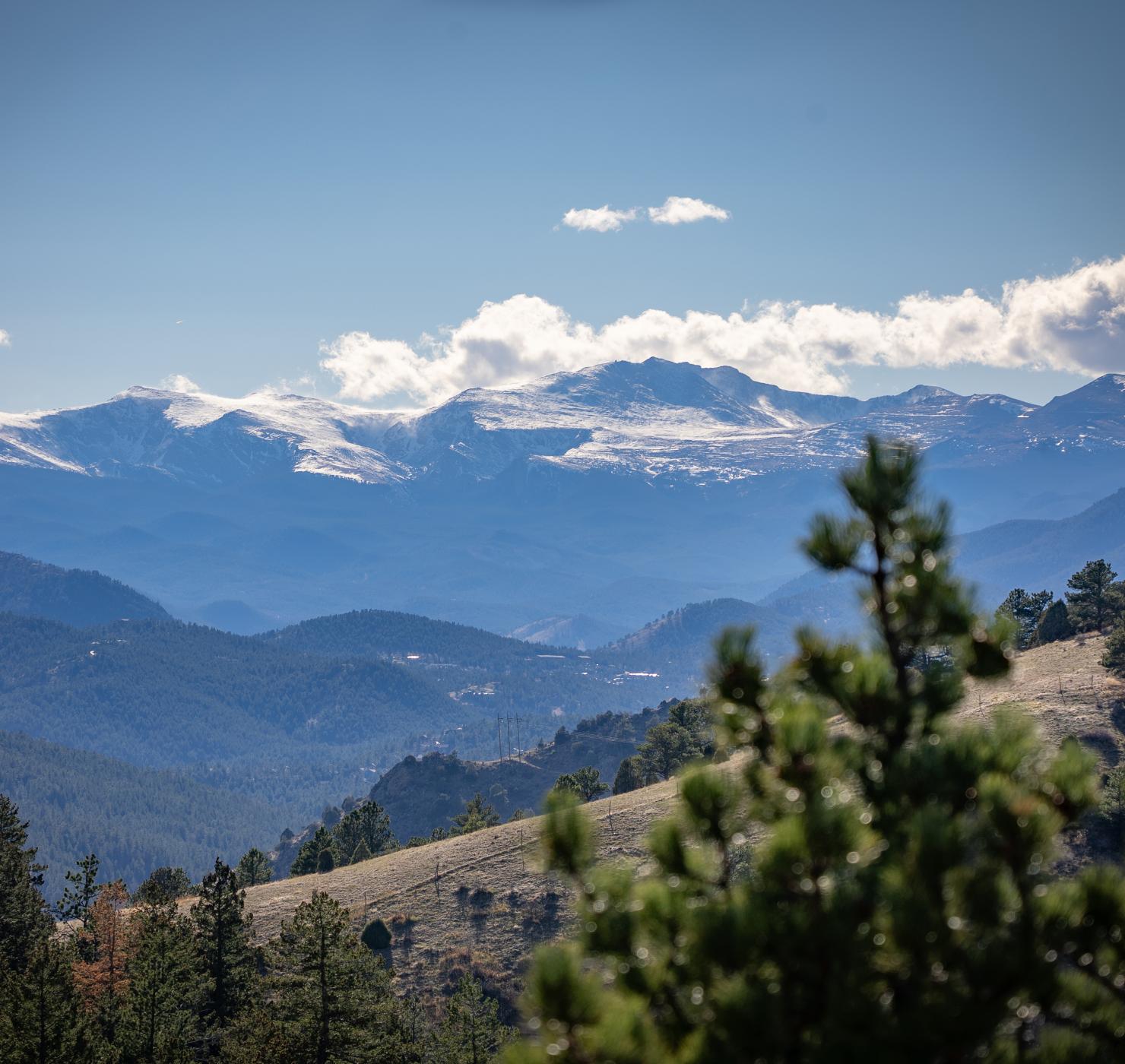
Braun Ranch. Photo by Leigh Scheffe
Braun Ranch. Photo by Leigh Scheffey.

Hundreds of Acres Near Denver Protected Forever

$2.3M Land Acquisition grant
In a region home to more than 3 million people, The Conservation Fund and Jefferson County Open Space seized a rare opportunity to protect Braun Ranch: 347 acres on the western edge of the Denver metro area near Red Rocks Amphitheatre. The property will be added to Matthews/Winters Park, with partners now exploring opportunities for future trail connections and public access. It features sweeping views of Mount Blue Sky and habitat and migration corridors for elk, black bears, mountain lions, and at-risk species such as the Preble’s meadow jumping mouse and hops azure butterfly. Conserving the property protects watershed health, strengthens climate resilience, and creates opportunities to proactively reduce wildfire risk to ecosystems and nearby communities. It’s a significant conservation achievement for Colorado today, and for generations to come.

A Park Built for Play and Dreaming Big

$800K Community Impact grant
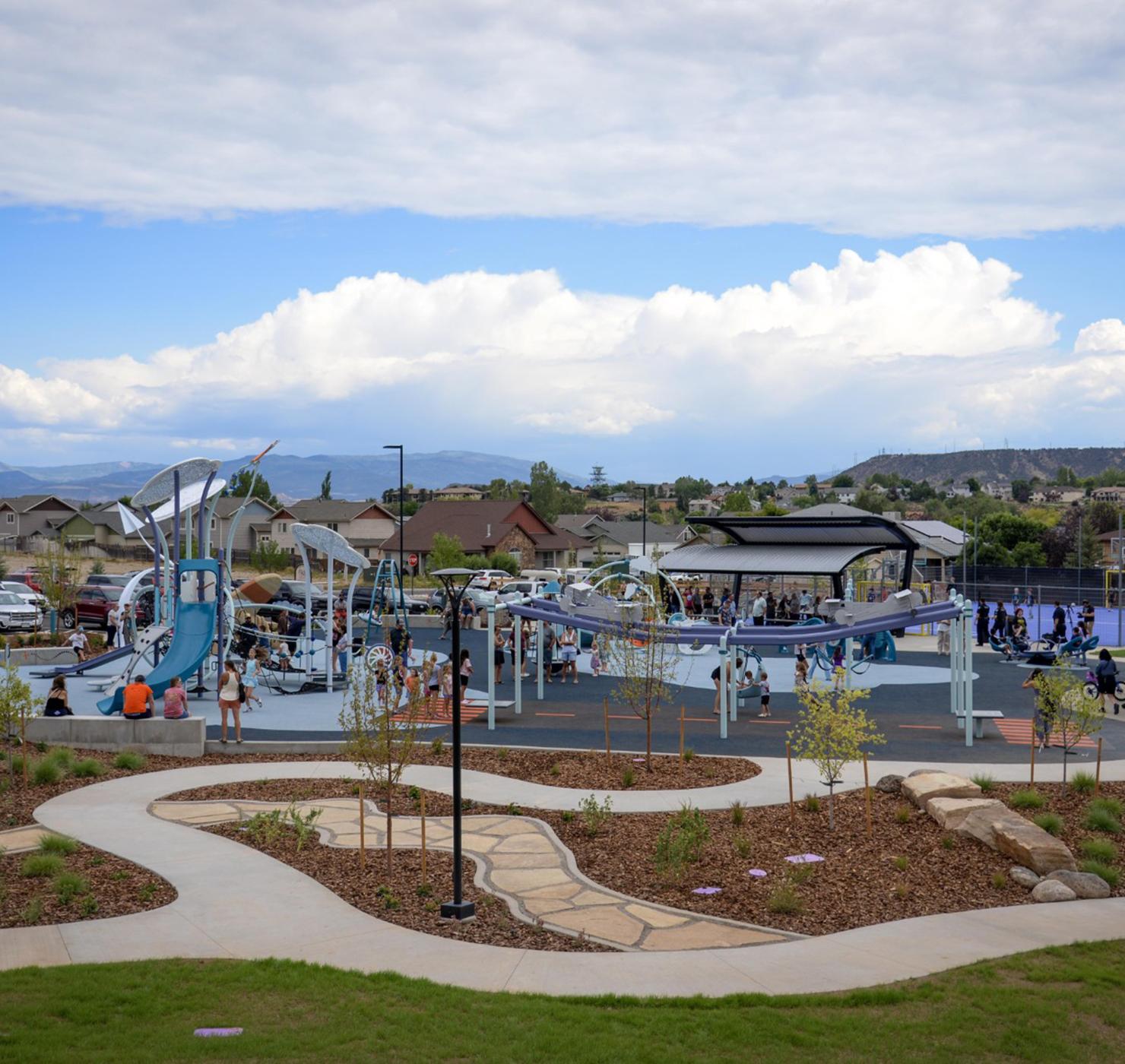
The City of Rifle transformed a five-acre site in its Graham Mesa neighborhood into a welcoming place for families, friends, and neighbors to play, connect, and imagine what’s possible. Before Birch Park, residents had limited safe, walkable access to a public park. Today, they have a dynamic place to get outside close to home and Graham Elementary School. The park’s “Sky Is the Limit” theme, inspired by Rifle High School engineering students, comes to life through a custom airplane-shaped play structure that encourages kids to dream big. Sports courts, walking paths, shaded gathering spaces, open green space, pollinator gardens, and native, drought-tolerant landscaping round out the park, creating a lasting destination for recreation, learning, health, and community connection.

Birch Park playground. Photo by Kyle Mills, City of Rifle.
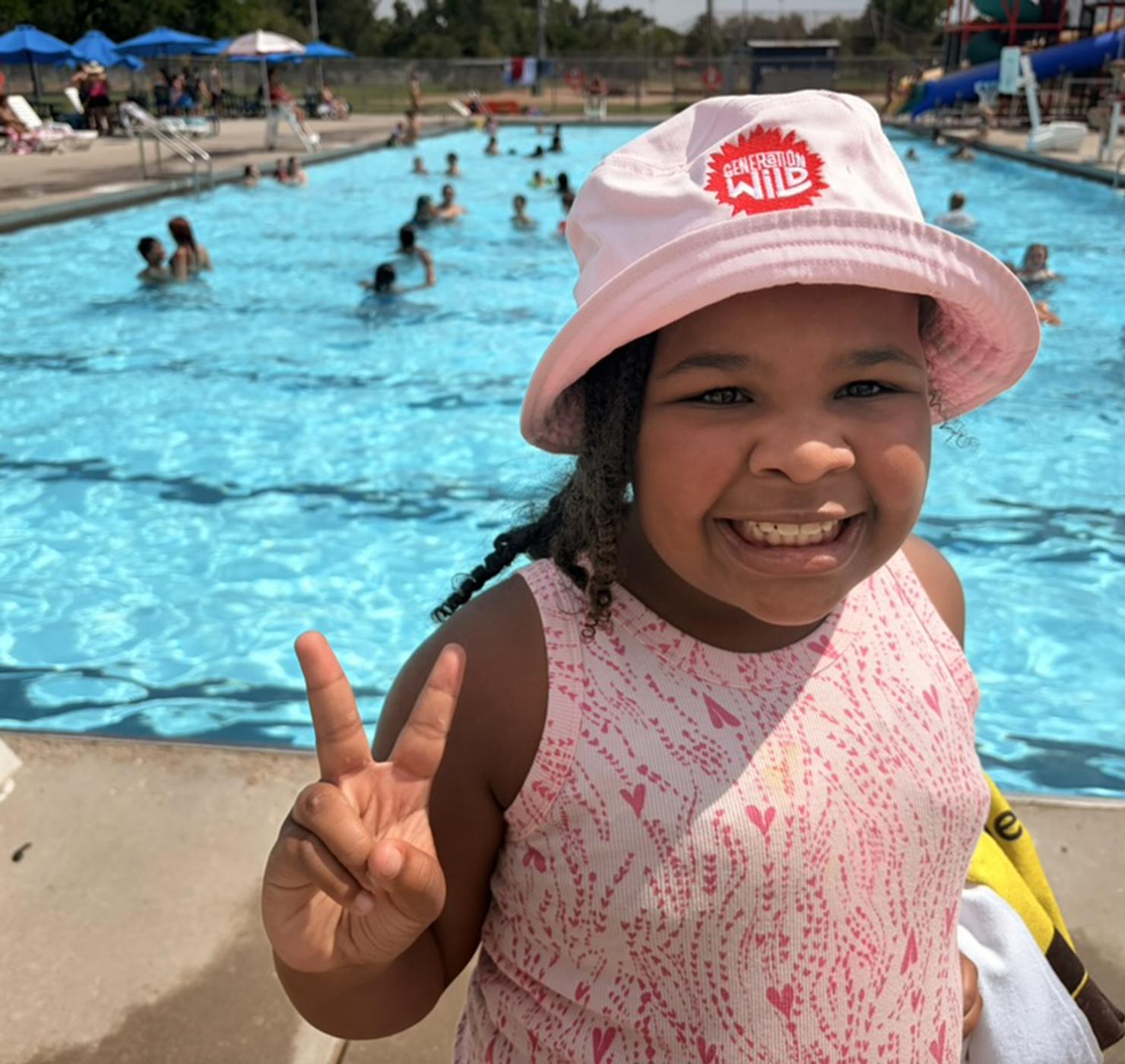
Community pool day. Photo by Generation Wild of the Pueblo Region.

Kids Growing Better Outside

$1.75M Generation Wild grant 
Kids and families in the Pueblo region, especially on the city’s underserved east side, are gaining more opportunities to get outside through Generation Wild of the Pueblo Region. The coalition is one of 15 Generation Wild communities across the state combining efforts of local organizations to connect kids and families with meaningful outdoor experiences. In Pueblo, partners like the Nature & Wildlife Discovery Center, Boys & Girls Clubs of Pueblo County, City of Pueblo Parks and Recreation, Pueblo Zoo, and Trout Unlimited are collaborating to offer a suite of immersive, culturally relevant programs and teen internships. From family events and biking programs to creek clean-ups and farm-to-table experiences, programs are free or low-cost and include transportation, equipment, and language support to make participation easy. 

Stronger Partnerships
Greater Impact

Colorado’s Outdoors Strategy

Launched in 2025, Colorado’s Outdoors Strategy is helping partners statewide advance shared goals for climate-resilient conservation and exceptional, sustainable outdoor recreation. Now in implementation, GOCO, Colorado Parks and Wildlife (CPW), the Colorado Department of Natural Resources, the Colorado Outdoor Recreation Industry Office, and many more partners across Colorado have helped connect outdoor leaders with the Strategy’s guidance and tools, invested in on-the-ground projects, and continued to develop the roles and processes needed to sustain this work over the next decade. The Year One Report shares some of these early wins.

As part of that progress, GOCO and CPW awarded $9.9 million in December 2025 to 19 projects through the Regional Partnerships Initiative, helping regional collaboratives plan and complete critical conservation, stewardship, and recreation projects. Together, GOCO and CPW have committed $50 million to the program over five years. 


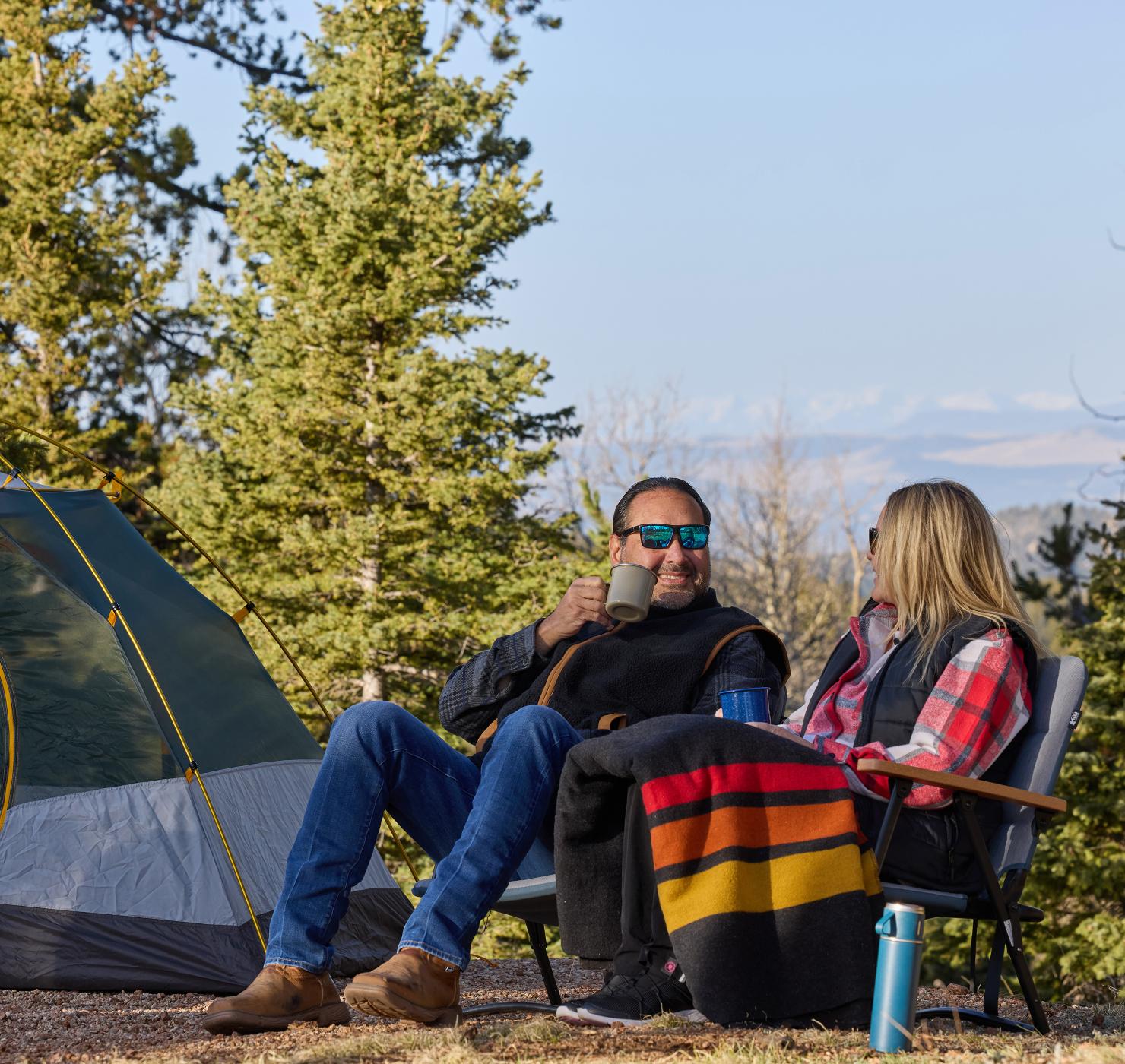
Accessible, Sustainable Recreation Around Pikes Peak $2.5M Colorado Outdoor Regional Partnerships Initiative grant 

Advancing the goals of Colorado’s Outdoors Strategy in the Pikes Peak region, a coalition of organizations is working to expand opportunities for residents and visitors to enjoy the area’s incredible outdoors while protecting its natural resources and wildlife. Pikes Peak Outdoors is putting plans into action to support sustainable recreation, restore habitat, and strengthen collaboration among land managers across El Paso, Fremont, and Teller counties. They're expanding the Ring the Peak Trail, restoring 300 acres of wildlife habitat at Dome Rock State Wildlife Area, and launching an outdoor ambassador program to encourage responsible recreation.

Photo by Pikes Peak Outdoors.

Colorado Parks and Wildlife Partnership
$36M invested

Every year, half of GOCO’s funding is invested through Colorado Parks and Wildlife (CPW) to advance conservation, outdoor recreation, and wildlife management efforts. In fiscal year 2026, the partnership directed a total of $36 million to support state parks and outdoor recreation; wildlife management and conservation; and public outreach, education, and youth programs.  
 

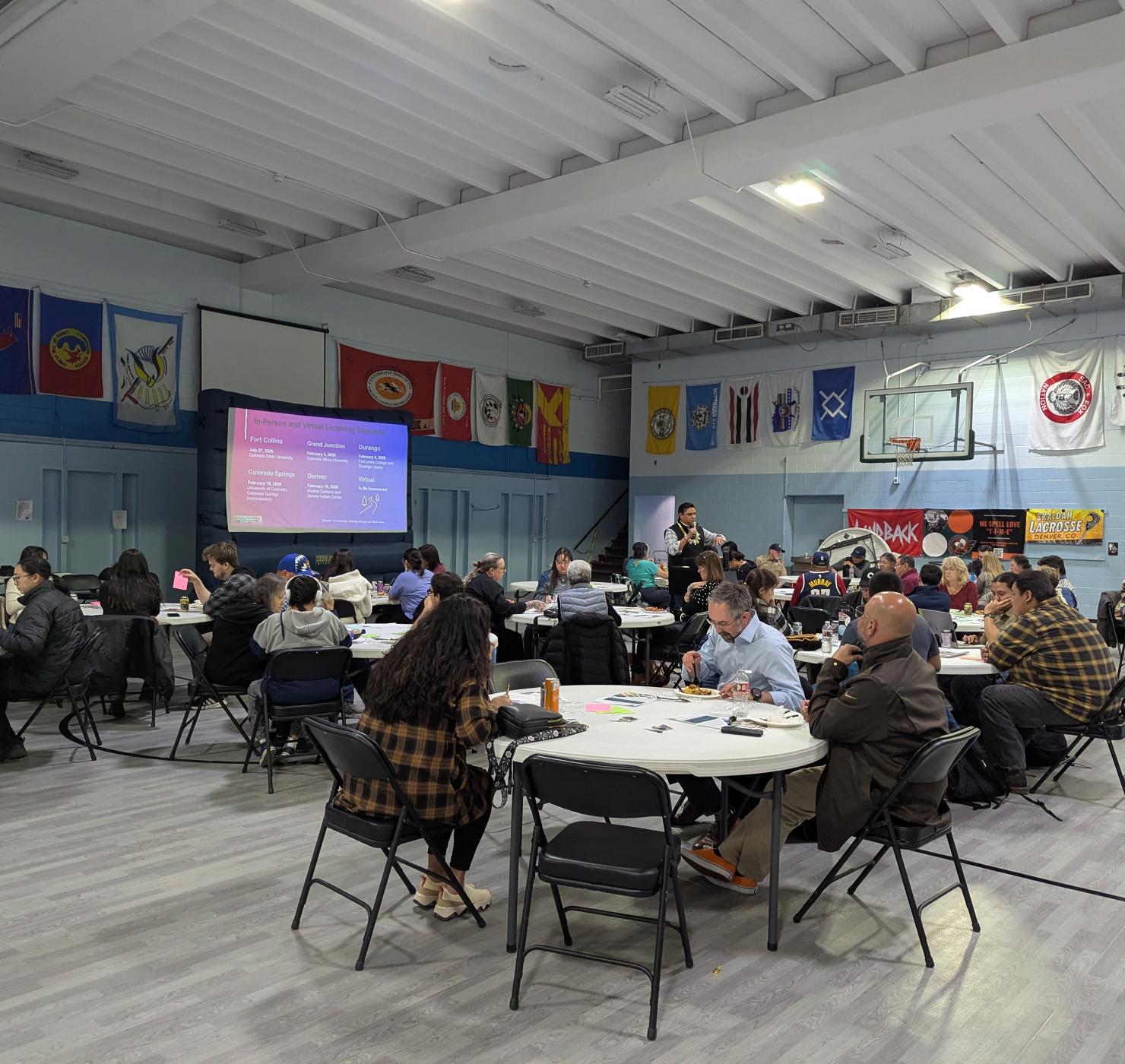
Tribal engagement session, Denver Indian Center. Photo by Stacey Coleman.
Tribal engagement session, Denver Indian Center. Photo by Stacy Coleman.

Indigenous Community Engaged on State Parks

Colorado’s state parks sit within the ancestral homelands of many Tribal Nations and, in some cases, hold continuing cultural, historical, and personal significance for Indigenous and American Indian community members. CPW launched its first statewide effort to directly engage Tribal governments and Indigenous and American Indian community members on their priorities for state parks through seven in-person listening sessions and one virtual session. Through this and related efforts, CPW aims to build meaningful relationships and ensure park planning, programming, and visitor experiences respond to the people and communities connected to these lands.

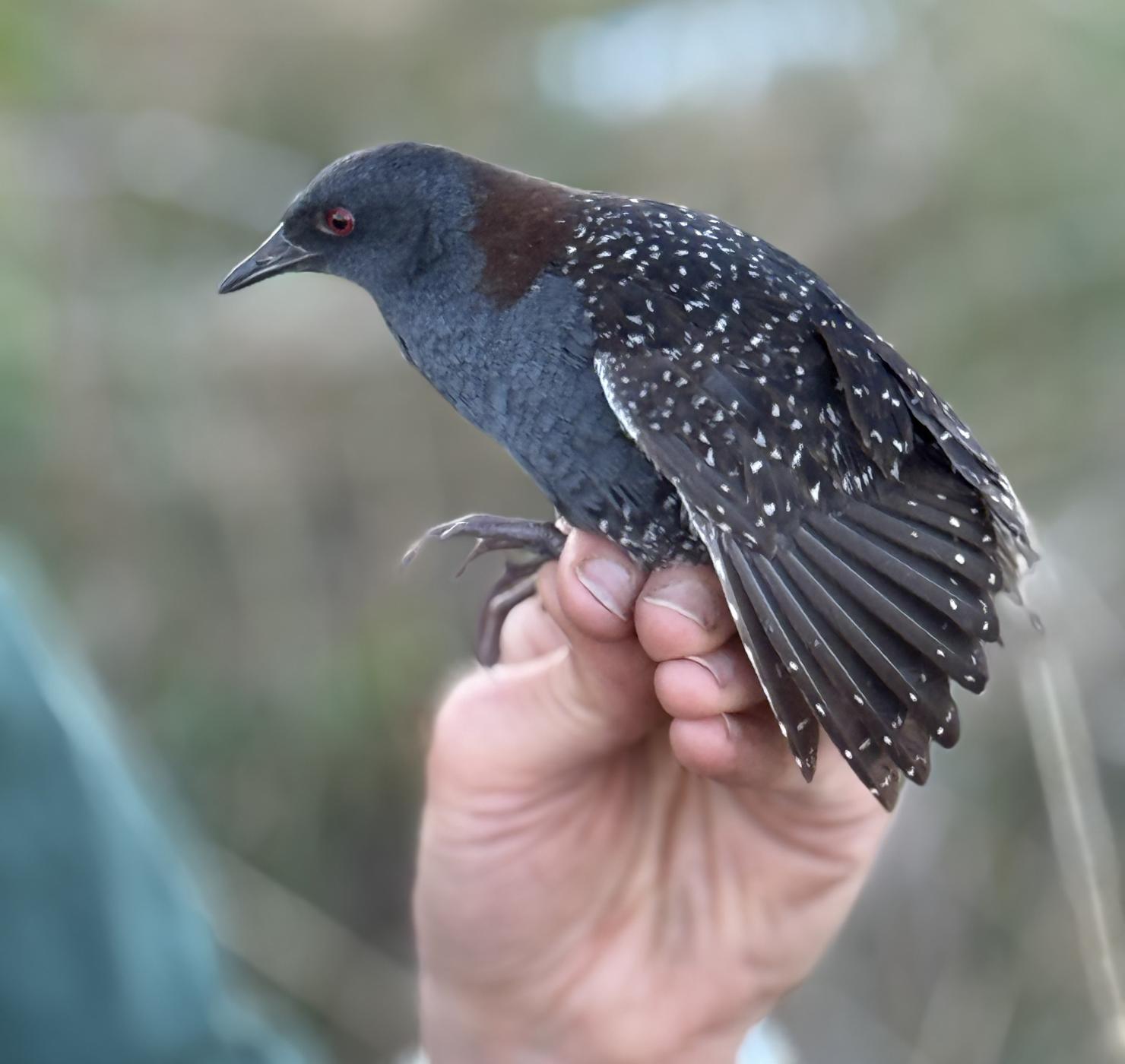
Black rail. Photo by Joe Cash Autry, courtesy of CPW.

New Hope for a Threatened Bird 

CPW achieved a major breakthrough in its efforts to conserve the federally threatened eastern black rail, a sparrow-sized marsh bird that’s notoriously hard to spot and often detected only by its distinctive “ki-ki-doo” call. Since 2018, CPW has documented unusually high numbers in wetlands along southeast Colorado’s lower Arkansas River. In 2026, for the first time ever in Colorado, biologists successfully captured and sampled eight birds to better understand the population’s size, genetics, and movements—information that can inform conservation of the species and its wetland habitat from the Great Plains to the Atlantic and Gulf coasts.

Virginia Canyon Mountain Park. Photo by City of Idaho Springs.

First-Ever Trail Connections in Idaho Springs 

Idaho Springs now has its first formal trail network within city limits. Today, 10 miles of trail at Virginia Canyon Mountain Park connect the community to the Clear Creek Greenway, Clear Creek Trail, downtown, and nearby neighborhoods. Developed in partnership with the Colorado Mountain Bike Association, the network includes dedicated hiking loops, a downhill bike-only trail, and an incline trail to Buttermilk Peak. Project planners worked closely with CPW to balance outdoor access with wildlife conservation, adjusting trails to avoid sensitive habitat and incorporating seasonal closures, leash requirements, bear-resistant infrastructure, and educational signage to protect bighorn sheep and other wildlife.

Conservation Service Corps 
$1.5M invested

A conservation corps position is more than a job. It’s an opportunity for youth, young adults, and veterans to build valuable skills, care for the places they call home, and launch careers in conservation and stewardship—all while helping meet Colorado’s growing need for skilled professionals.

Funded by GOCO and administered by Colorado Youth Corps Association (CYCA), the Conservation Service Corps (CSC) program helps partners hire conservation corps to complete outdoor recreation and stewardship projects across the state. In fiscal year 2026, CSC grants employed 407 corps members on 20 projects, restoring 174 acres, removing invasive species on 12 acres, and building or improving 26 miles of trail.
 

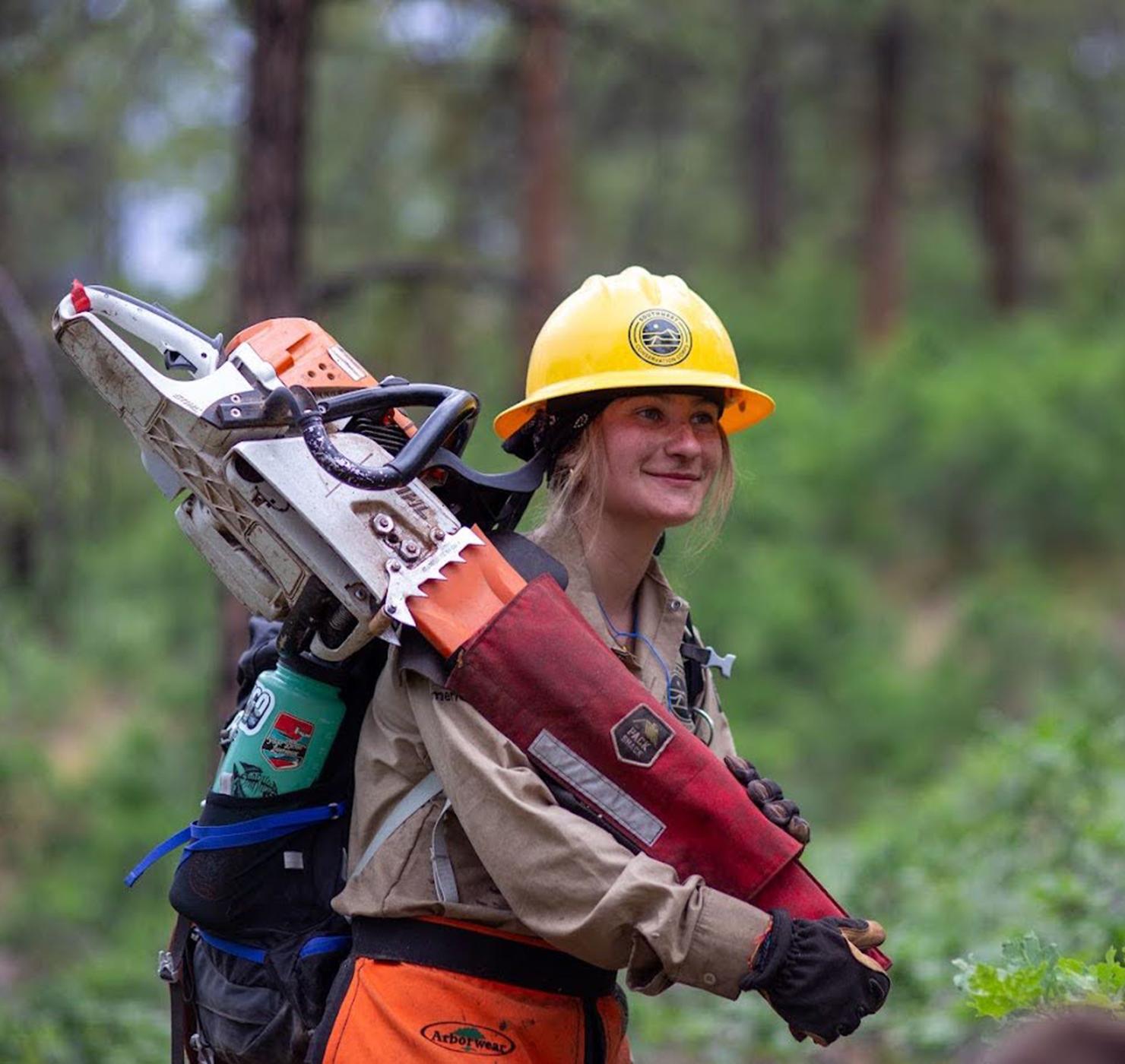
Photo by Southwest Conservation Corps--Four Corners
Photo by Southwest Conservation Corps–Four Corners.

Sustaining Durango's Forests and Trails  $81,600 Conservation Service Corps grant 

The City of Durango partnered with Southwest Conservation Corps to strengthen forest health and care for the natural areas that sustain the community’s water supply and outdoor recreation. At City Reservoir, a source of drinking water for Durango, crews removed invasive species, thinned stressed pinyon pines, and reseeded disturbed areas with native plants. They also restored and maintained trails at the reservoir and other popular outdoor destinations, including Dalla Mountain Park—a protected open space that's a favorite for hikers, mountain bikers, and climbers. Working alongside the U.S. Forest Service and local nonprofit Durango Trails, project partners helped protect the health of these cherished places while keeping them accessible for the community to enjoy.

RESTORE Colorado
$1.4M invested

Colorado has long been a leader in private land conservation and manages some of the country’s most impressive public lands. But securing funding for large-scale restoration projects can be challenging, often requiring piecing together funding from multiple sources.

Funded by GOCO and other public and private partners, and administered by the National Fish and Wildlife Foundation, the RESTORE Colorado Program (Restoration and Stewardship of Outdoor Resources and the Environment) pools resources to support large-scale projects that benefit wildlife, ecosystems, and communities. A single grant application makes it easier for partners to access funding and tackle complex restoration needs. In fiscal year 2026, $2.7M in RESTORE grants helped partners restore 8,129 acres of wildlife habitat across the state. 
 

Letting Nature Lead the Way $283K RESTORE Colorado grant 

In the north-central mountains near Granby, Colorado Open Lands and partners are leading the Riparian Reconnect Project, an ambitious effort to restore the Kinney Creek landscape, which has experienced decades of ecological damage due to historic land use, declining beaver activity, and intense wildfires, including the 2020 East Troublesome Fire. They're using nature-based restoration techniques, including beaver dam-like structures, to slow and spread water, trap sediment, and raise the creek back toward its historic level. These efforts help restore wildlife habitat and can benefit downstream ecosystems and communities by improving water quality and reducing flood risk.

Kinney Creek restoration near Granby. Photo by Dustin Doskocil.

Transaction Cost Assistance Program
$895K invested

Much of Colorado’s land is privately owned, making landowners essential partners in protecting the outdoors. For landowners seeking to conserve their property through a conservation easement, the upfront costs of appraisals, legal work, assessments, and other transaction requirements can be significant barriers.

Funded by GOCO and administered by Keep It Colorado, the Transaction Cost Assistance Program (TCAP) helps nonprofit land trusts cover these costs for urgent conservation opportunities, protecting important wildlife habitat, water resources, agricultural operations, and historic sites. In fiscal year 2026, TCAP grants helped conserve 12,139 acres across the state. 
 

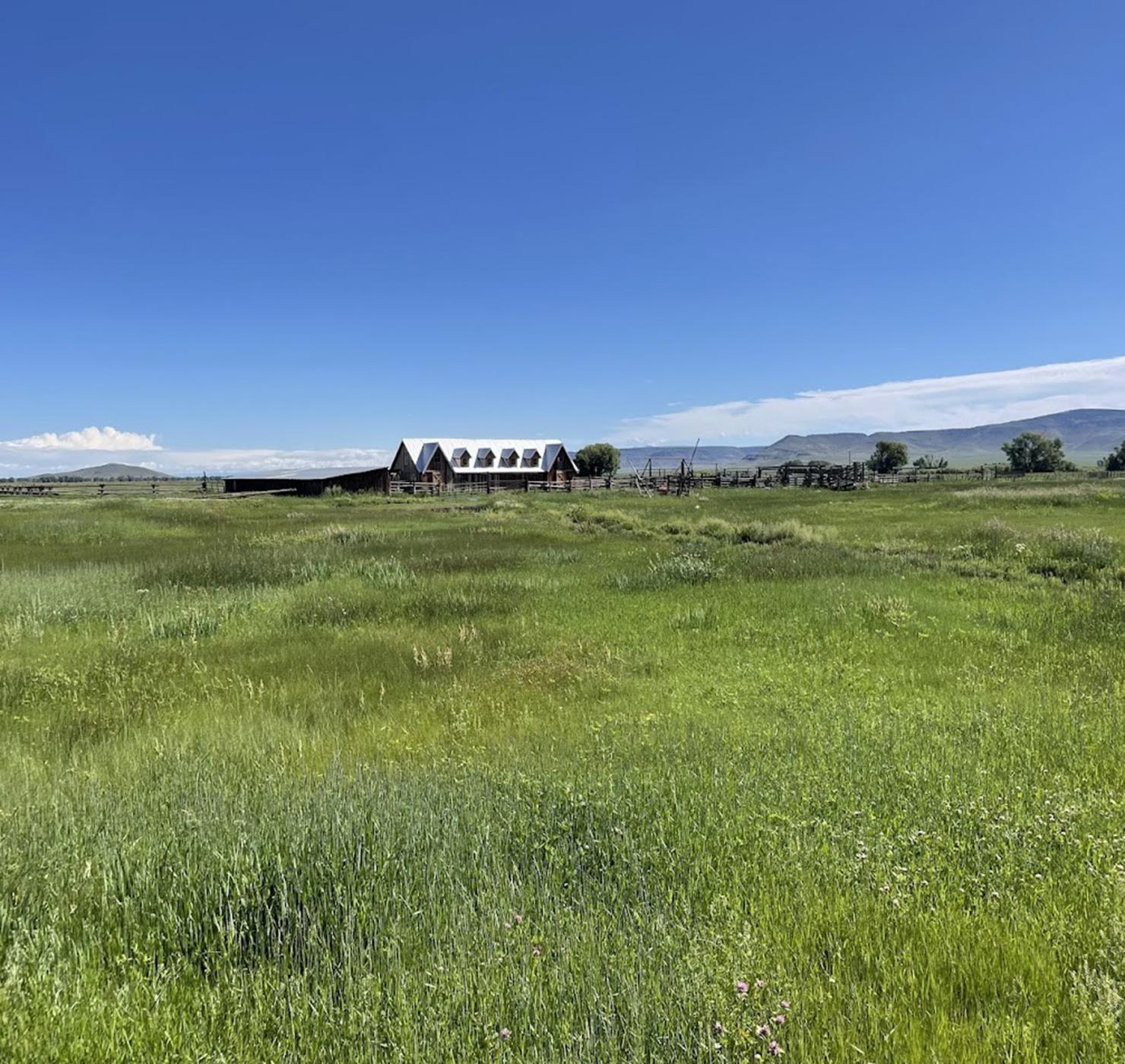
Rancho Del Corazón. Photo courtesy of Rio Grande Headwaters Land Trust.

Protecting the Land and its Story $75K Transaction Cost Assistance Program grant 

In southwest Colorado near Antonito in Conejos County, Rancho Del Corazón is a 217-acre ranch with wetland meadows, a portion of the Rio San Antonio, abundant wildlife habitat, and seasonal cattle operations. The ranch is independently owned and operated by an architect who hosts adobe construction workshops and maintains historic-style ranch structures that reflect her passion for Western architecture. By conserving the property, the landowner is helping ensure this landscape continues to support wildlife, agriculture, and people for generations to come. 

Downloads to Take With You

About GOCO

Mission 

Great Outdoors Colorado (GOCO) invests a portion of Colorado Lottery proceeds to preserve and enhance the state’s parks, trails, wildlife, rivers, and open spaces.

Created by Colorado voters in 1992 through a constitutional amendment, GOCO must invest funds in a substantially equal amount over time across four areas: Outdoor Recreation, Local Governments, Wildlife, and Open Space.

Governance

GOCO is governed by a 19-member board appointed by the Governor and confirmed by the State Senate. It includes two members from different political parties in each congressional district, plus representatives from Colorado Parks and Wildlife and the Department of Natural Resources.

Members by Congressional District

  • 1: Leticia Martinez (U); Adam Eichberg (D), both Denver
  • 2: Turk Montepare (U), Breckenridge; Mo Siegel (D), Boulder
  • 3: Pamela Denahy (R), La Junta; Jim Ramey (U), Grand Junction
  • 4: Bobby Massie (U), Larkspur; Brenda May (U), Lamar
  • 5: Mina Liebert (U); Krithika Prashant (U), both Colorado Springs
  • 6: Patty Imhoff (D); Tom Lee (R), both Greenwood Village
  • 7: Jahi Simbai (U), Wheat Ridge; Ray Rivera (D), Golden
  • 8: Mara Brosy-Wiwchar (D), Thornton; Ray Tschillard (U), Greeley

State Agency Representatives

  • Colorado Department of Natural Resources: Dan Gibbs

  • Parks and Wildlife Commission: Jessica Beaulieu, Gabriel Otero

Fiscal Year 2026

(July 1, 2025 – June 30, 2026)

RevenueFY26Amount to DateExpendituresFY26Amount to Date
Lottery Proceeds$87,989,409$1,779,748,247Grant Expenditures$78,476,189$1,630,666,873
Interest & Other Income$1,926,935$60,741,707Administrative Expenses$6,035,330$89,020,826
Total Revenue$89,916,344$1,840,489,954Total Expenditures$84,511,519$1,719,687,699

Fiscal Year 2027

(July 1, 2026 – June 30, 2027) Estimated Budget

RevenueFY27 BudgetExpendituresFY27 Budget
Lottery Proceeds$86,853,333Grant Expenditures$75,520,000
Interest & Other Income$2,650,000Administrative Expenses$7,042,086
Total Revenue$89,503,333Total Expenditures$82,562,086